
.png?ext=.png)
Dr. James Stevenson is head of research in coal, metals and mining at McCloskey by OPIS, a Dow Jones company. Dr. Stevenson’s expertise includes supply, demand, and price dynamics of global coal, iron ore, steel, and ferrous scrap. He also has extensive experience in trading, M&A, and business development.
Prior to his current role, Dr. Stevenson worked in commodity trading, most recently at Mercuria Energy Trading, and before then at Louis Dreyfus Highbridge Energy (now Castleton Commodities). He also worked in energy trading at Eraring Energy (now part of Origin Energy) in the Australian utility industry.
Dr. Stevenson holds undergraduate and master’s degrees from the University of Sydney, and a PhD from Yale University.
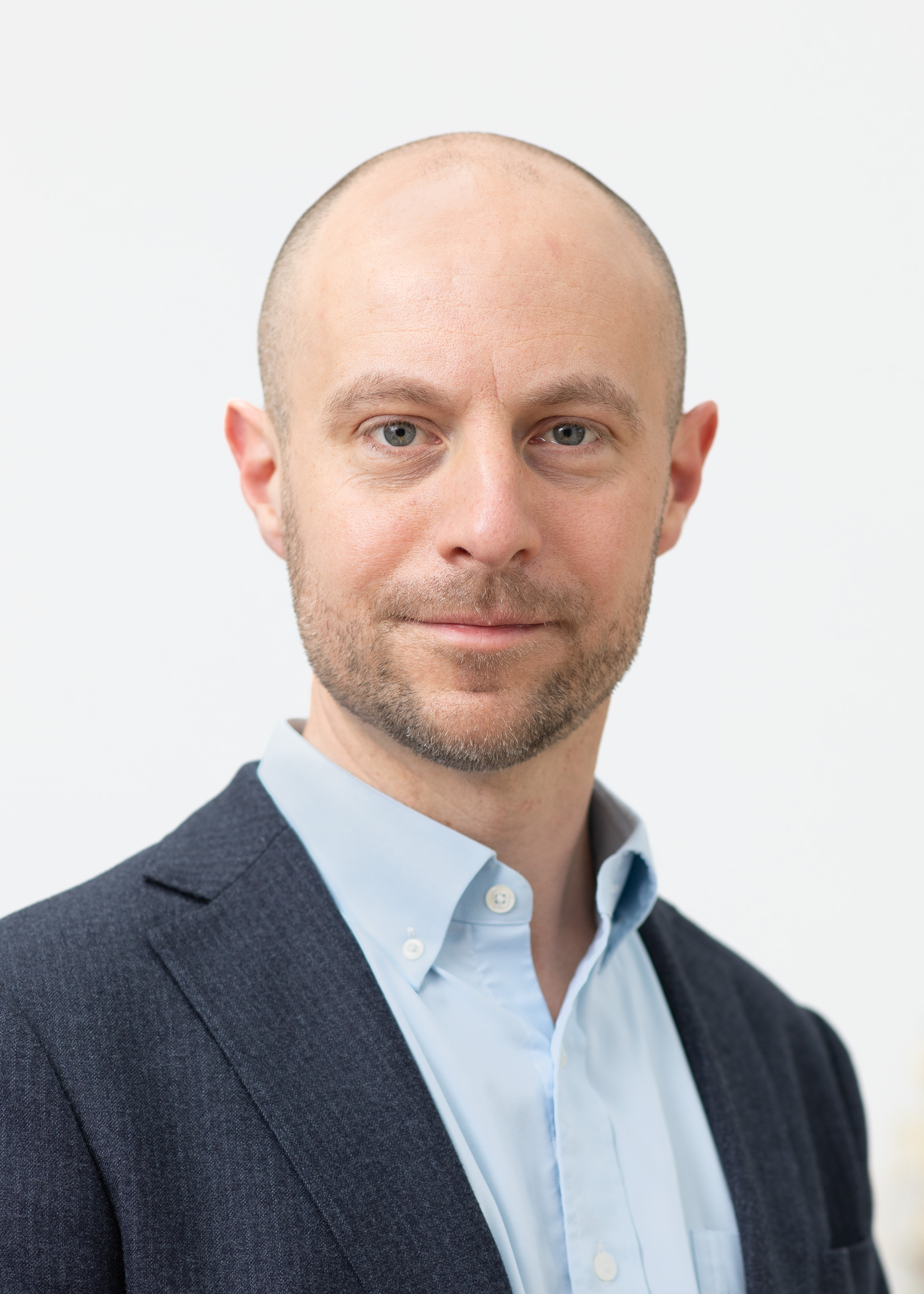
Chris Bandmann joined Wood Mackenzie in January of 2023. He is responsible for delivering comprehensive research coverage of the Atlantic basin’s metallurgical coal sector including supply, demand, pricing and costs, with a primary focus on Europe.
Prior to joining Wood Mac Chris worked at CRU, performing market analysis on the European steel markets.
Chris holds an MSc and a BSc in Economics from the University of Exeter in the UK.
_1.png?ext=.png)

Banmeet leads CRU’s Metallurgical Coal and Coke research, and is the editor of the Metallurgical coal market outlook, providing market intelligence on current market trends and delivering a fundamentals driven perspective on the medium and long term steel and raw materials markets.
Banmeet has 12+ year cross commodity experience in the metals & mining, Oil & gas and energy sectors. Prior to CRU, Banmeet was Coal markets specialist for Anglo American Marketing Singapore and Wood Mackenzie. Banmeet has also covered Oil & gas markets for Woodside Petroleum and AGL Energy in Australia. Banmeet has cross functional experience working in a range of roles for research houses and producers in economics, commercial and marketing divisions.
Banmeet holds a bachelors degree in Actuarial studies from the Australian National University and is based in Sydney.
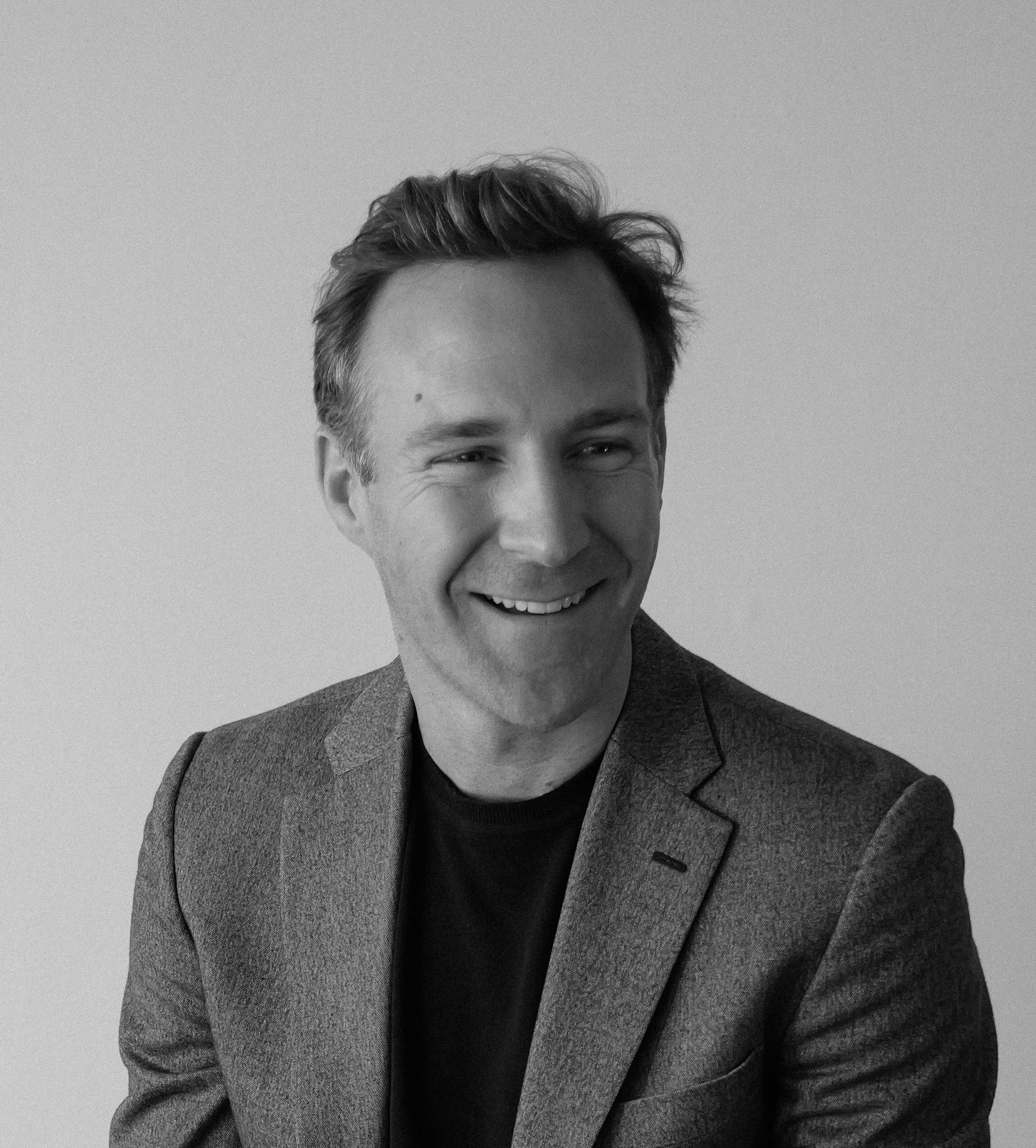
Oscar Tarneberg is VP, Business Development for Metals at Argus Media, a leading price reporting agency (PRA) in the metals and energy sector. He joined the company in 2017 to support the development of its steelmaking raw materials pricing and is now based in London, following a decade working in China and Singapore. He has been closely involved in the evolution of ferrous pricing mechanisms since 2010, with experience spanning the calculation and publication of benchmark prices underpinning exchange traded derivatives, including the iron ore and coking coal indexes used by Singapore Exchange (SGX).
Charley Law is a former commodity trader turned executive coach, author, and speaker. Over a decade working across iron ore in Africa and Latin America, he developed firsthand experience of the pressure, volatility, and high-stakes decision-making that defines life in global commodity markets.
After rebuilding his own career following burnout at the peak of his trading years, Charley spent years studying the psychology of performance, leadership, and human decision-making. He now works with CEOs, founders, and senior executives, many from resource-intensive industries, helping them develop leadership skills, make better decisions under pressure, and refine strategy.
He is the author of It's Not Just Mumbo Jumbo and the founder of Phoenix Mind, an executive coaching and leadership advisory practice based in Cape Town.
.jpg?ext=.jpg)
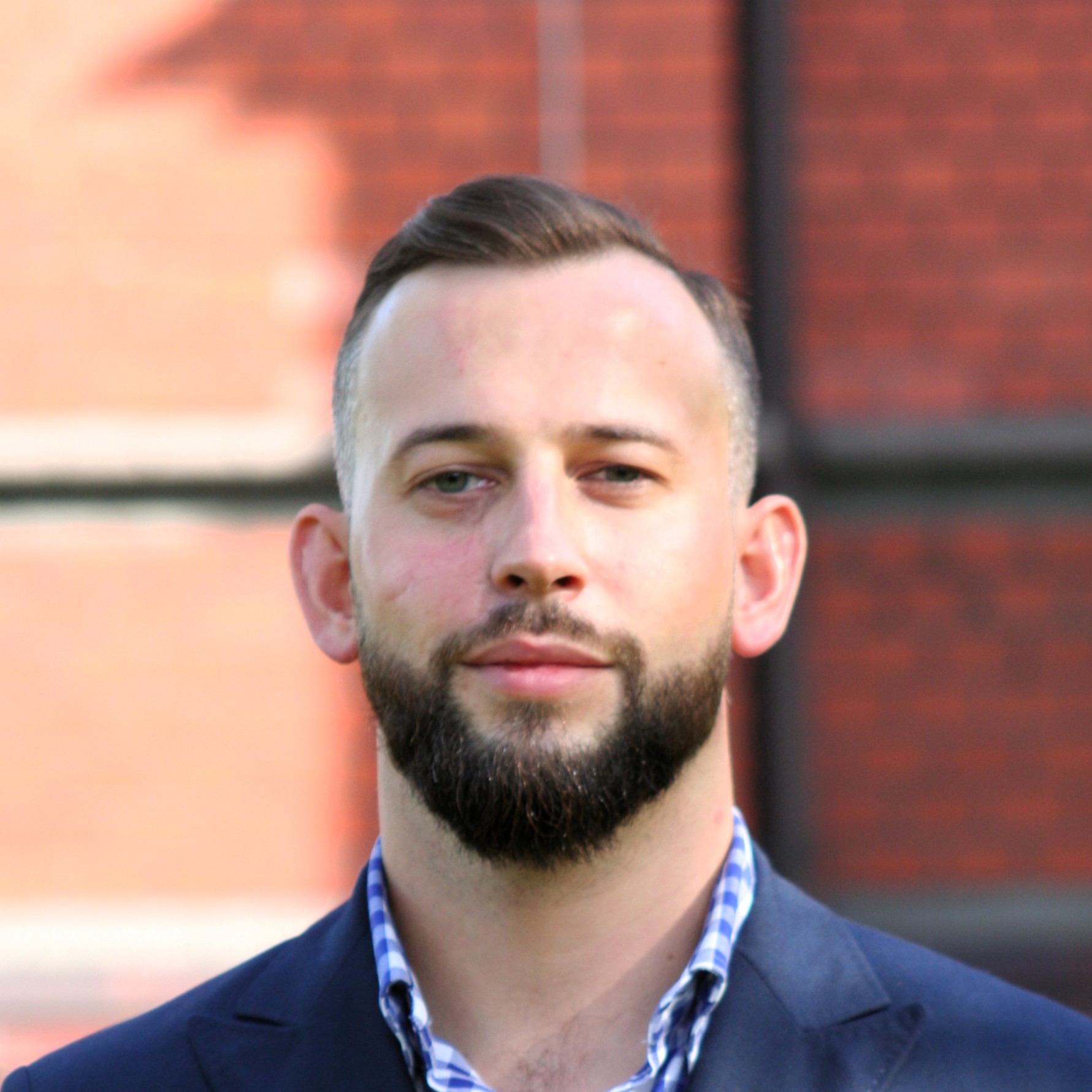
Alessandro Sciamarelli holds the position of Director of Economic Studies and Market Analysis at the European Steel Association (EUROFER) based in Brussels, where he carries out economic research and analysis linked to the steel sector. Prior to joining EUROFER, he held for over ten years equivalent positions at other Brussels-based European associations (namely in the mortgage lending sector and the cement sector) and, before that, he worked for the Economic Studies Office of a leading cement and construction group in Rome and for the European Institute of Public Administration (EIPA) in Maastricht. He has dual nationality (Italian and Belgian) and he holds a PhD in Economics (1999) and a degree in political science (1995) from the University of Pisa, Italy.
.png?ext=.png)
He has been involved in the coking industry since the start of his professional career, gaining experience in industrial energy, research and development, and projects implementation. His expertise covers the operation and supervision of energy infrastructure, the optimisation of production processes, and the management of projects of strategic importance.
Alongside his professional work, he pursues academic research as part of an implementation doctorate. He is the author of numerous publications and a regular participant at academic and industry conferences, where he presents on topics related to the use of hydrogen in technological processes and reducing the environmental impact of industrial installations.
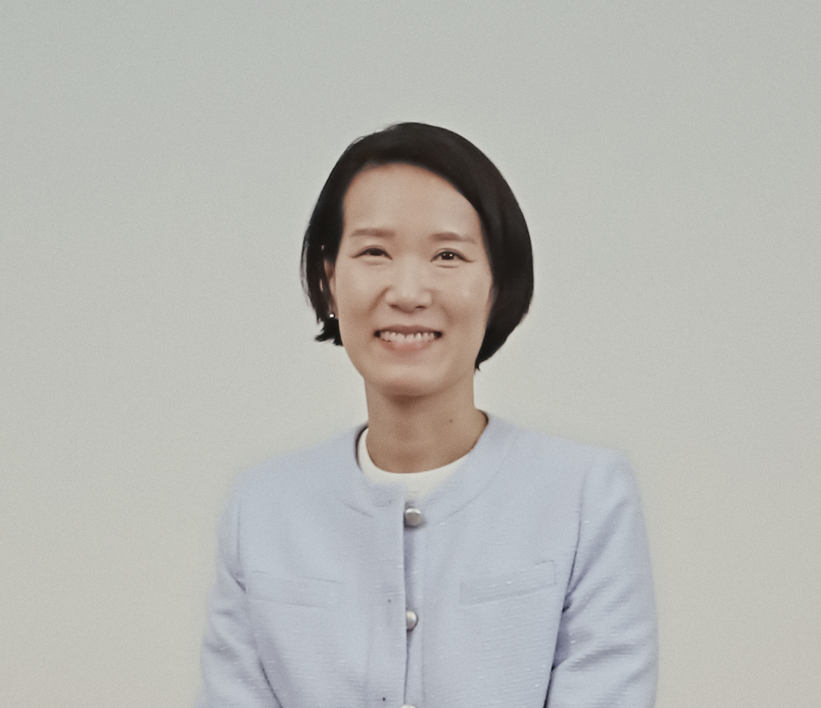

SY Park is a Senior manager in the Low Carbon Resource Procurement Team at Hyundai Steel, with approximately 18 years of experience in steel raw material sourcing and strategy. She has worked across the full spectrum of key steelmaking materials, including iron ore, metallurgical coal, scrap, non-ferrous raw materials, and has recently been responsible for metallurgical coal procurement with major global suppliers such as BHP, Glencore, and EVR. In her current role, she conducts market analysis and price forecasting while supporting the transition toward low-carbon steelmaking through raw material strategy. This includes evaluating shifts in raw material utilization, such as increased adoption of scrap and alternative iron units like HBI/DRI, as well as evolving coal usage. Her core expertise includes raw material market analysis, procurement strategy, and supply chain management within the steel industry.
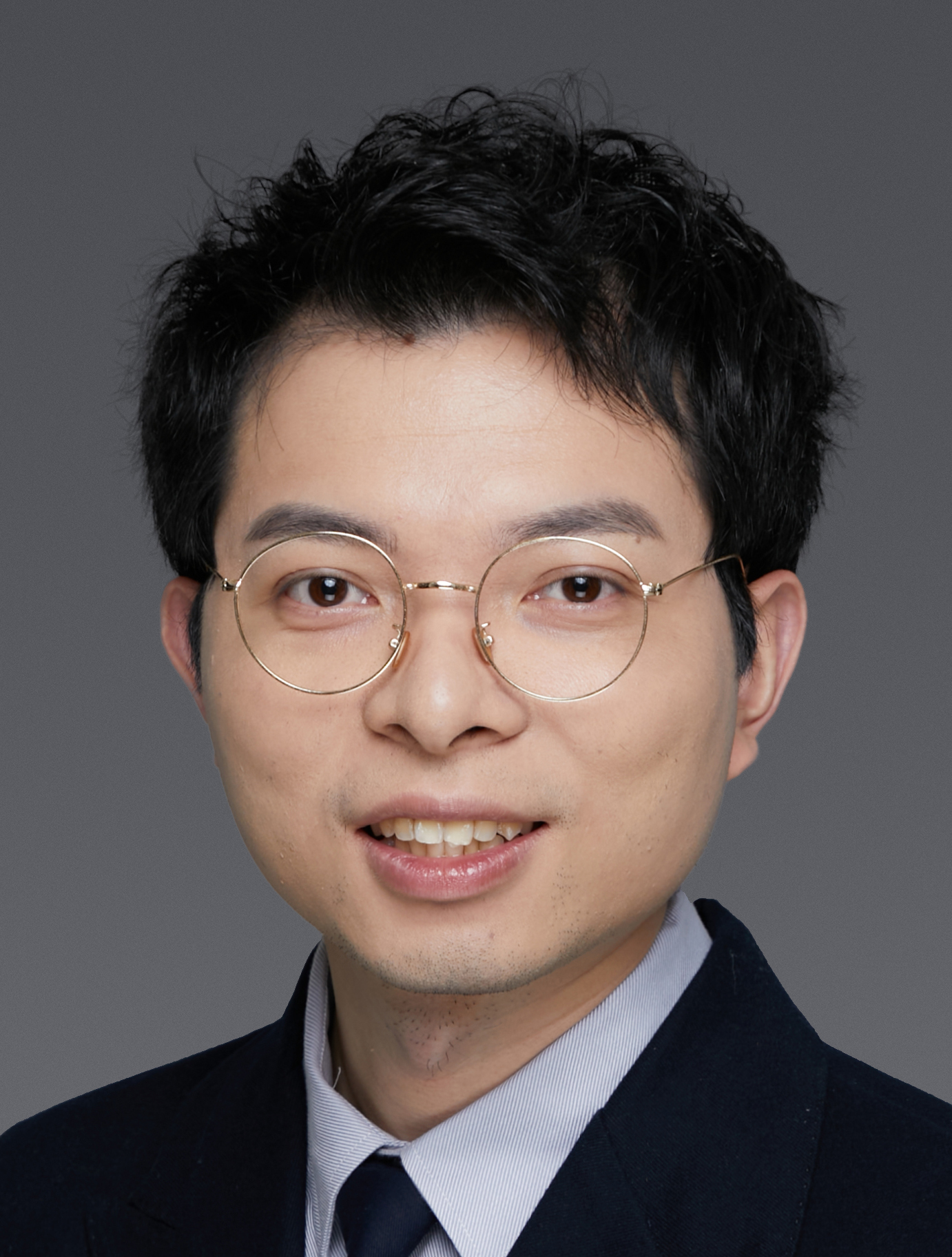
Yunhao Wu graduated with a bachelor's degree in management, majoring in e-commerce, from Shanghai Business School in 2012. He then graduated with a Master of Science in Computer Science from Boston University in 2018. He began his professional career as a software engineer, then transitioned to management as the manager of the business consulting department in 2021. He was promoted to vice president in December 2022 and has served as senior vice president at SteelHome since July 2024.
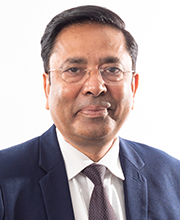
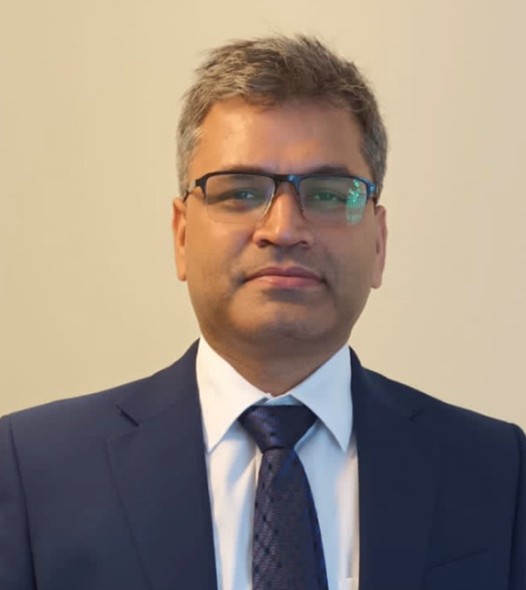
Anand Mohan Srivastava, Chief Executive Officer of AMK Global Corp, is a distinguished mining and critical-minerals strategist with over 33 years of global experience across Asia, Africa, and Latin America. An alumnus of IIT Roorkee (M.Tech – Applied Geology, 1991) with an MBA in Finance, he blends deep technical expertise with strategic leadership.
Since 2012, Anand has been instrumental in discovering and developing Peruvian Anthracite, establishing Peruvian Anthracite as a globally recognized resource. He leads multiple polymetallic and critical-mineral projects in Peru and has built one of the region’s most comprehensive databanks on Critical Minerals and Rare Earth Elements.
He is actively developing Colombian Met Coal, Guinea Bauxite, South African Manganese, Australian Quartz & Met Coal, and U.S. Met Coal & Pet Coke, all aligned with Global future resource needs.
A respected industry voice, Anand speaks at major global conferences on Met Coke, Coal, Steel, and Ferro Alloys.
.png?ext=.png)
Pranay Shukla is Head of Metals Trading Research and CAS Dry Bulk at S&P Global Energy, where he leads trading-focused analysis across the metals and dry bulk value chains. His work focuses on identifying market dislocations and translating supply–demand dynamics into actionable insights for trading houses, funds, shipowners, and industrial clients.
Prior to S&P Global, Pranay spent nearly a decade at Mercuria Energy Trading and began his career at Drewry Shipping Consultants. He holds a BSc in Mathematics and an MBA in Finance and is a member of the Institute of Chartered Shipbrokers (Singapore).
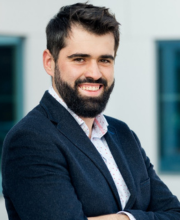
Bio coming soon
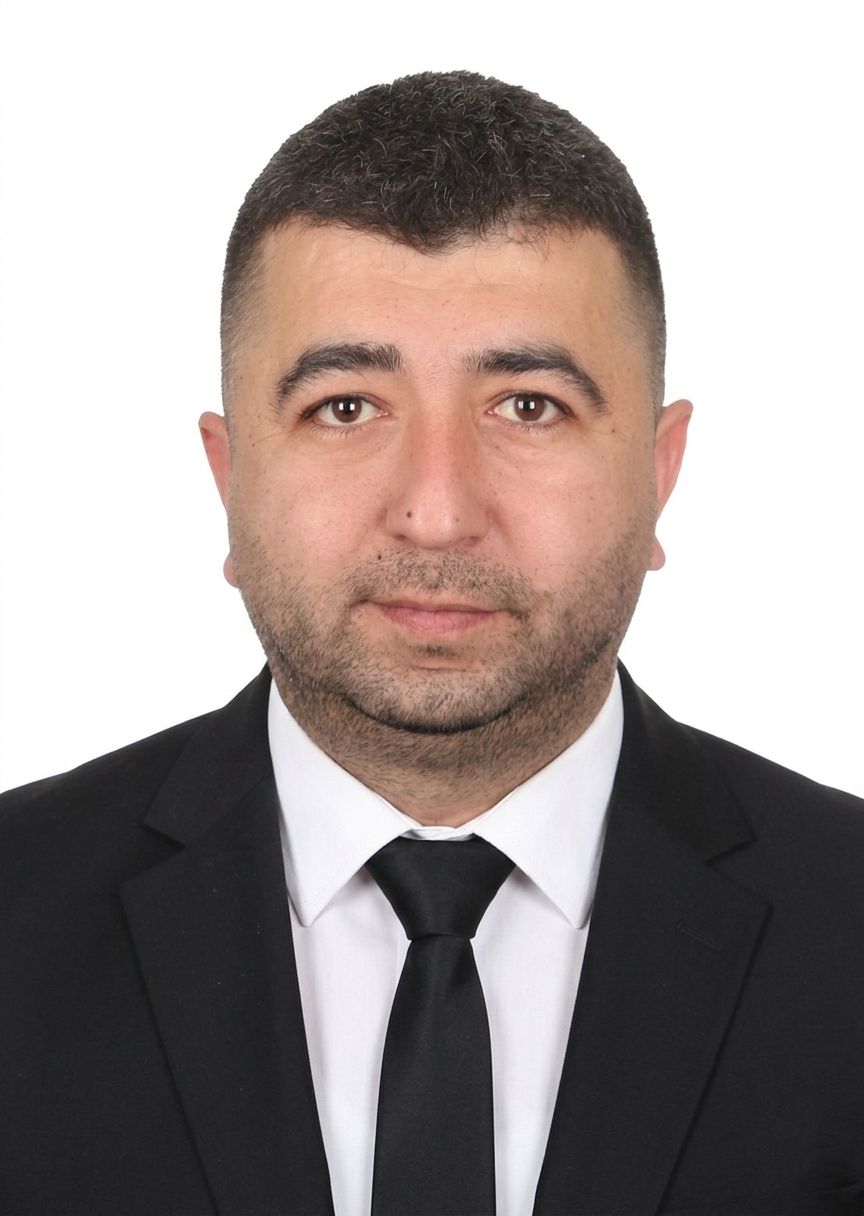
2. Murat Yaman is a Process Engineer at ERDEMİR, with 15 years of experience in coke plant operations, battery heating systems, and refractory applications. He specialises in coke oven process optimisation, maintenance coordination, commissioning, and improving overall operational reliability.He has extensive experience leading renovation and rehabilitation projects, monitoring thermal performance, and supporting the safe and efficient operation of coke plant facilities. His work focuses on enhancing process stability and ensuring sustained performance across critical coke production systems.
.jpg?ext=.jpg)
G.S.Venkata Subramanian has 37years of experience in Recovery type Coke Ovens
• Secured B.Tech(Metallurgy) from Karnataka Regional Engineering College, Surathkal, India
• Joined Bhilai Steel plant in May 1982
• Became Head of the Department (General Manager) and Energy Management Department
• Superannuated in May 2019
• Implemented e-log systems and Web based Delay Analysis, coordinated numerous modifications in Coal, Coke plants
• Championed the cause for initiating and purchasing high valued items
• Initiated 5-S based housekeeping in Coke Plant for improving work ambience and compliance to environmental norms
• Secured
‘Jawahar Award’ twice for outstanding performance in 1999 and 2016 ‘Engineering Achievement Award’ from The Institution of Engineers (INDIA) in 2013
‘APEX’ Award in 2009 for improving Coke Handling Logistics
• Presented 20 technical papers on Coke Technology, Environment Control
Initiated HRD activities and Quality Circle movement
Occasional Faculty Member for Research and Development Centre for Iron&Steel and Management Training Institute SAIL
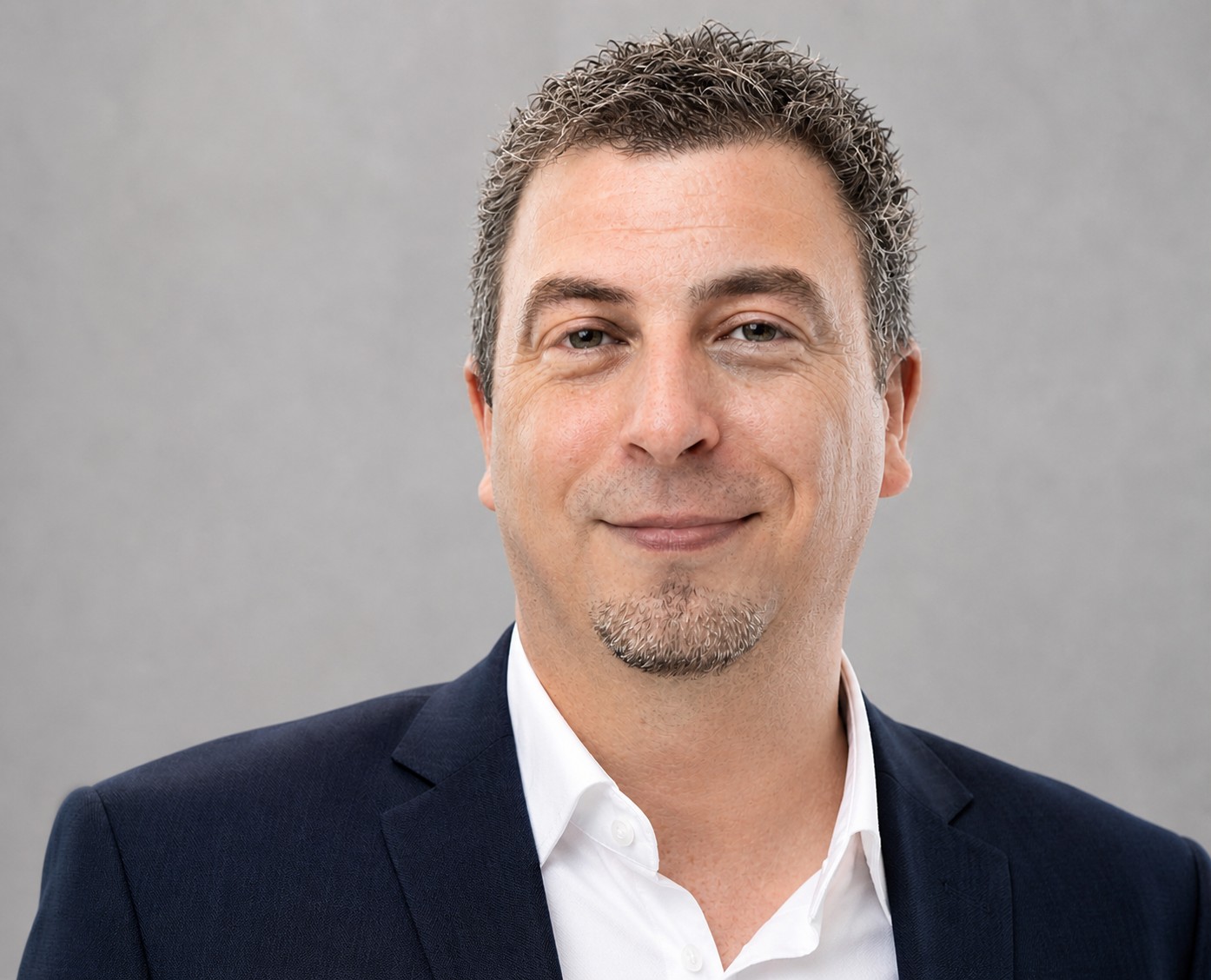
Daniel Wiemken is a Process Engineer at thyssenkrupp Uhde with over a decade of experience in coke oven plant projects. He started his career in 2011 as a commissioning engineer, working on coke battery start-ups with a focus on heating-up procedures. After 12 years in commissioning roles on international projects, he moved to the process department, where he is involved in proposal engineering, project execution, and plant design for coke oven facilities. In addition to his core responsibilities, he is engaged in the development of drone-based digital inspection solutions, focusing on practical applications for condition monitoring and operational support in coke plants.
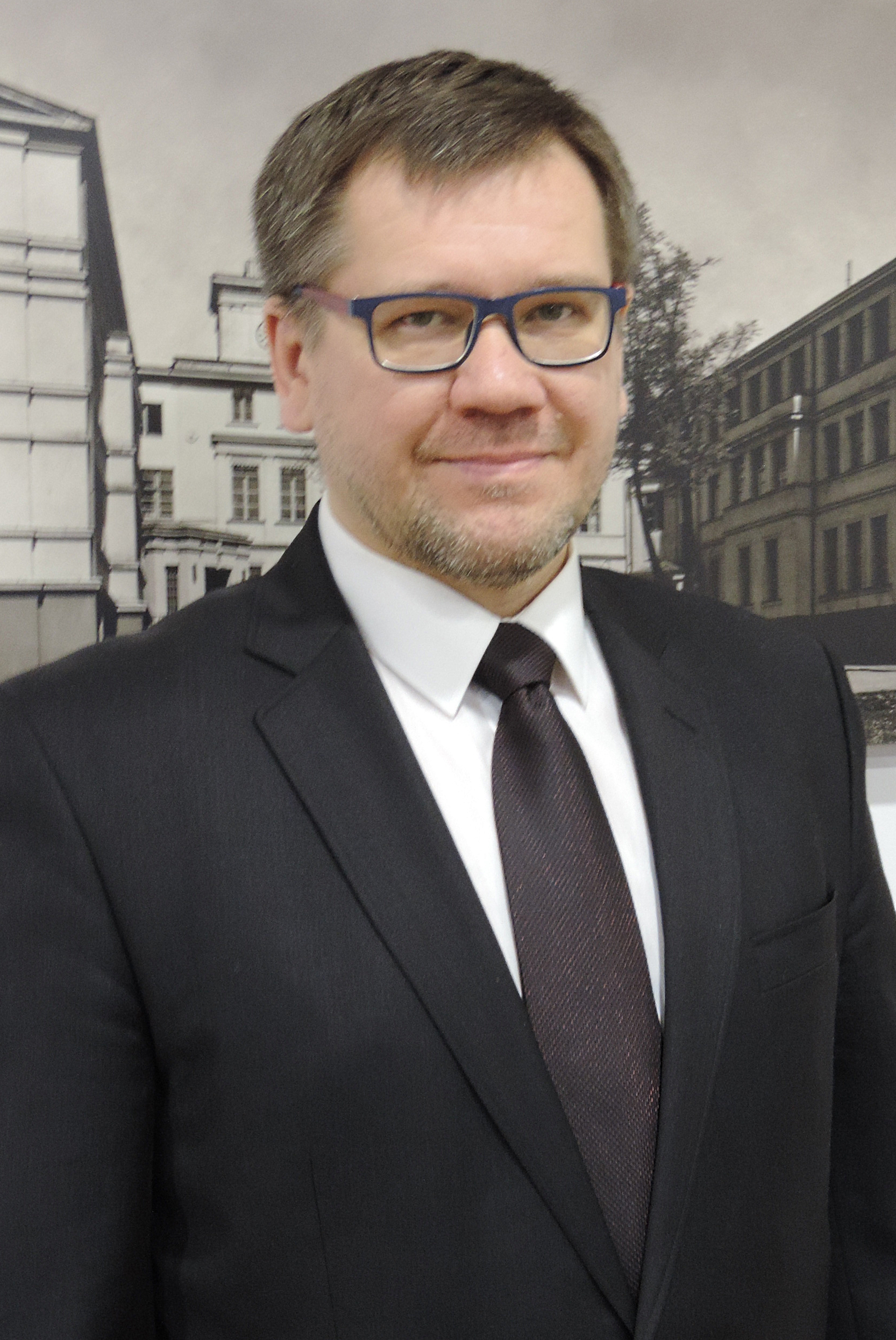

Graduated from Faculty of Technology and Chemical Engineering of the Silesian Technical University - Gliwice (Poland) in 2001 and obtained Ph. D. at Academy of Mining and Metallurgy in Krakow in 2014.
All professional carrier connected with coal and cokemaking research especially quality evaluation.
At present holds the position of Head of Cokemaking Technologies Department in Institute of Energy and Fuel Processing Technology in Zabrze, Poland. The area of professional interest includes the issues of coking coal quality, preparation of coking blends, composing the blends, and the supervision of construction, operation and modernization of the coke oven batteries.
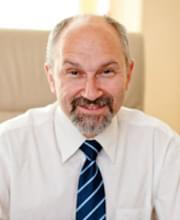

In 1986 he graduated Faculty of Technology and Chemical Engineering of the Silesian Technical University - Gliwice (Poland) and obtained Ph. D. at the same University in 1993. The main interest of his research works include coke making technology and thermal processing of solid fuels and wastes.
At present he is Director of the Institute of Chemical Processing of Coal in Zabrze. He is a member of Polish Standardisation Commission, expert of Polish Ecological Chamber and member of European Coke Committee.
He is the author of more than 100 scientific and technical papers and 10 patents.
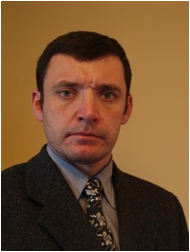
Michel has served since 2021 as Corporate CTO for Coal and Coke at ArcelorMittal, overseeing worldwide operations. In this role, he drives the transfer of best practices across the group, challenges plant performance, and leads improvement initiatives with a strong focus on process safety and operational excellence.
He brings more than 25 years of experience in coke plant processes, including operations, batteries, and by-products management. He has deep expertise in performance optimization and continuous improvement methods such as TPM. He previously led major industrial projects, including the development of new coke batteries in Gijón from 2017 to 2020.
He also has five years of experience in blast furnace operations and process engineering. Michel graduated from the Mining Engineers School of Nancy in France, providing a strong technical foundation for his international industrial career.
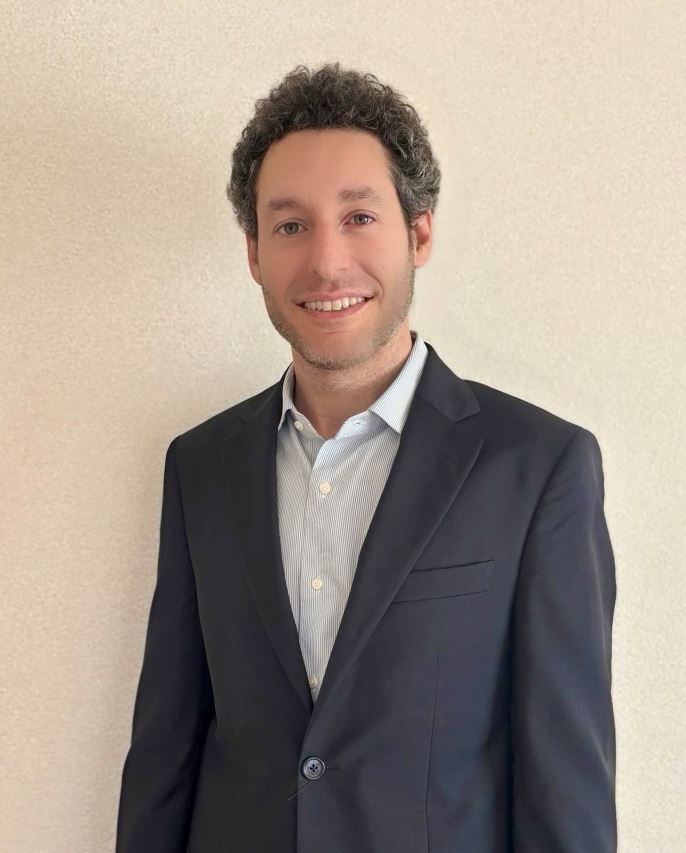

Andrea Fedele is currently serving as Technical Manager for the Coke Making industry at Paul Wurth Italy S.p.A., part of the SMS group. He joined Paul Wurth Italy in 2018 as a Layout and Design Engineer in the COC Coke division, with a particular focus on Coke Oven Batteries. In 2022, he began following the Fukuyama 6A project from its early stages, as Technical Manager, and in 2023 he moved to Japan to continue supporting the project, also on site, until its completion in July 2026.
He graduated in 2012 from the University of Genoa with a degree in Hydraulic and Soil Conservation Engineering. Before joining Paul Wurth Italy, he gained experience as a Project Engineer in biogas plant projects and later in a company specialized in nuclear plant systems.
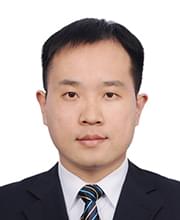

Mr. Huang Yunlai is from ACRE Coking & Refractory Engineering Consulting Corporation, MCC, acting as the Vice General Manager of ACRE Turkey Engineering Ltd, in charge of ACRE’s business in Europe, America and Africa. He has been working in coke making industry for over 16 years and is now a dedicated professional in implementation and delivery of international coking projects. He has been deeply involved in dozens of coking projects in India, Brazil and Indonesia etc. in the scope of consultation, feasibility study, engineering and project implementation, through which he has gained deep understanding of plant-wide coke making technologies and the trends in coke making industry. His qualifications include Master’s Degree and National Registered Consulting Engineer etc.
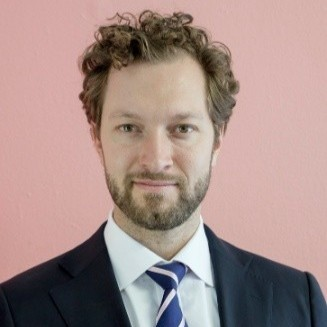

Bio coming soon
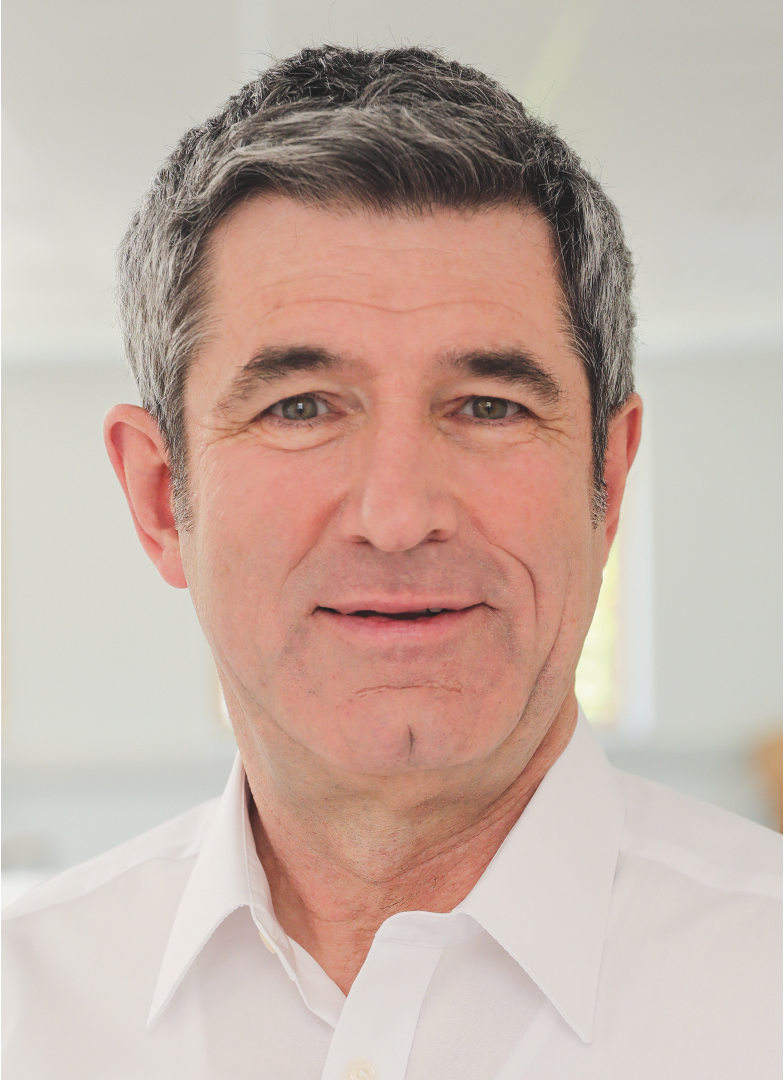

Michael Wild is an economist and engineer with over 35 years of leadership in renewable energy, dedicated entirely to bioenergy. A pioneer in the field, he has shaped the industry with innovations ranging from biomass-based district heating and coal-to-biomass conversions in Europe to launching the world’s first internet-based biomass trading platform (ABEX) in 1999. He creatd the earliest intercontinental biomass supply chains, including the very first PKS shipment from Indonesia to Europe in 2003, later expanding to Japan.
Michael co-developed the first torrefaction technology for Andritz/Polytechnik and founded the International Biomass Torrefaction and Carbonisation Council (IBTC), where he has been serving as (re)elected president since its creation. He also advises companies and organizations worldwide.
Today, Michael drives projects on advanced biomass upgrading, high-value bio-carbon applications, and sustainable local energy solutions across Europe, the Americas, and Southeast Asia.