
Please check the detailed Rundown through Smithers email.
The site visit seats are fully booked.

In cokemaking process, the MOF diagram system, which is a coal selecting and blending technique based on coal rank (Ro: mean maximum reflectance of vitrinite) and Gieseler maximum fluidity (MF), has been widely known and applied to control coke strength. Although MF is an important caking property, the Gieseler evaluation sometimes becomes insufficient, particularly in the high-fluidity range.
To improve the evaluation of caking behavior, our company developed the “permeation distance”, which measures the permeation behavior of softened coal particles into surrounding voids. We also demonstrated that coals with long permeation distance cause deterioration in coke strength. For effective utilization of such long-permeation-distance coals, we further developed blending and pretreatment techniques that suppress the decline in coke strength. These advancements have contributed to more effective utilization of coal resources in the cokemaking process.
.png?ext=.png)

Graduated from Political and Social Science, Gajah
Mada University, Yogyakarta, Indonesia
Civil Servant, Ministry for Foreign Affairs of the
Republic of Indonesia. During this period of time
have been assigned as a diplomat at the
Indonesian Embassies in Brussles (Belgium),
Singapore and the Hague (the Netherlands)
2012-2016
Indonesian Ambassador for the
Republic of Finland and the Republic of
Estonia
2018- Now
Senior Advisor for International Trade of Dexa Group
(Indonesia Pharmaceutical Company)
2022-Now
Senior Advisor for Government Relations of
Risun Wei Shan Indonesia (Coke Industries)
2025-Now
Chairman of the Association of Indonesian Coke Industries
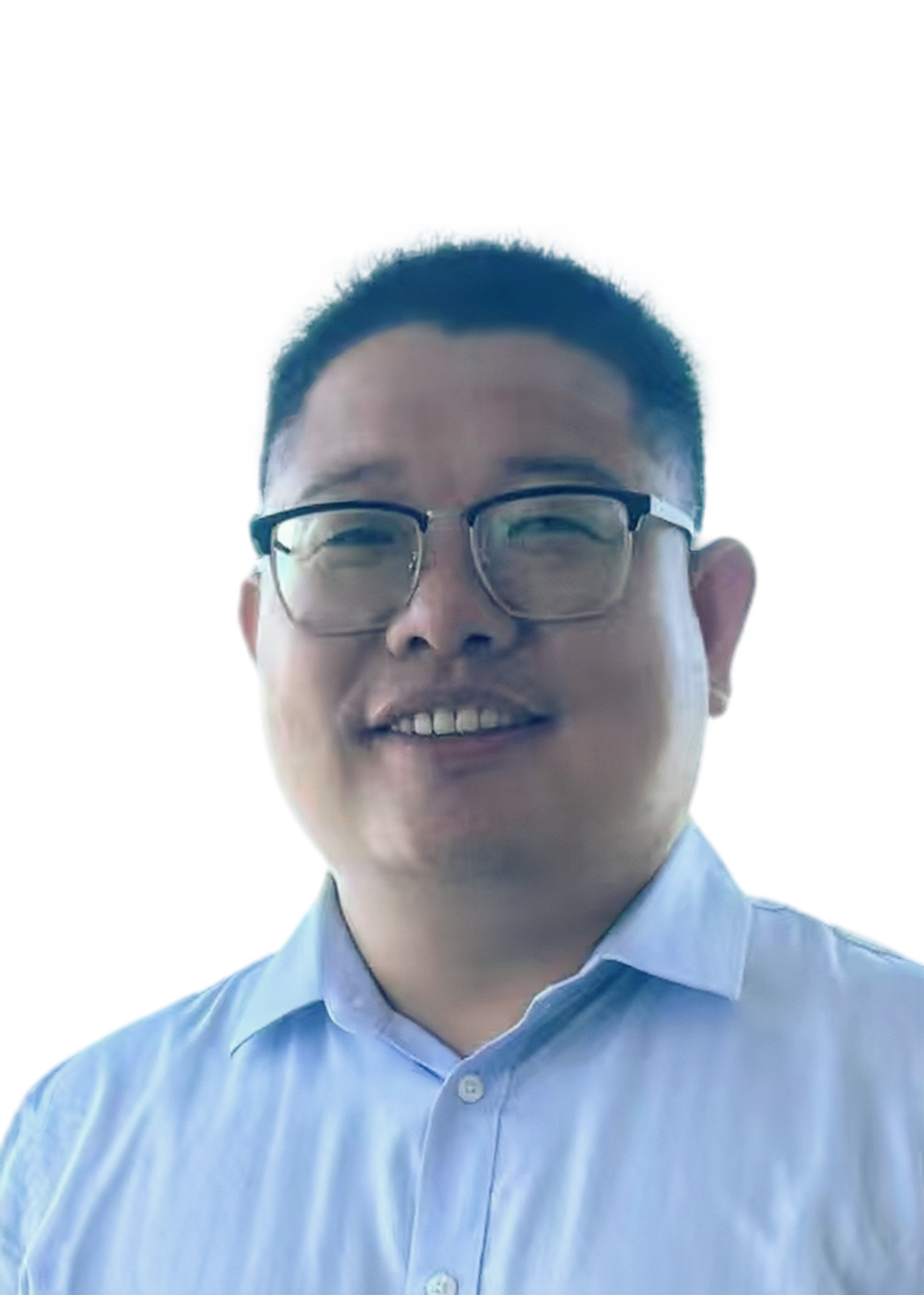

Jiao Yong (James), Executive Deputy General Manager of International Business of China Risun Group, and Chief Marketing Officer of Pt. Risun Weishan Indonesia, holds a master’s degree in English Language and Literature from Beijing Institute of Technology. He joined Risun in 2007, and he is now in charge of the domestic coke sales in South-East China, the import and export of coal, coke and chemicals of Risun China, and the procurement and sales of Risun Indonesia.
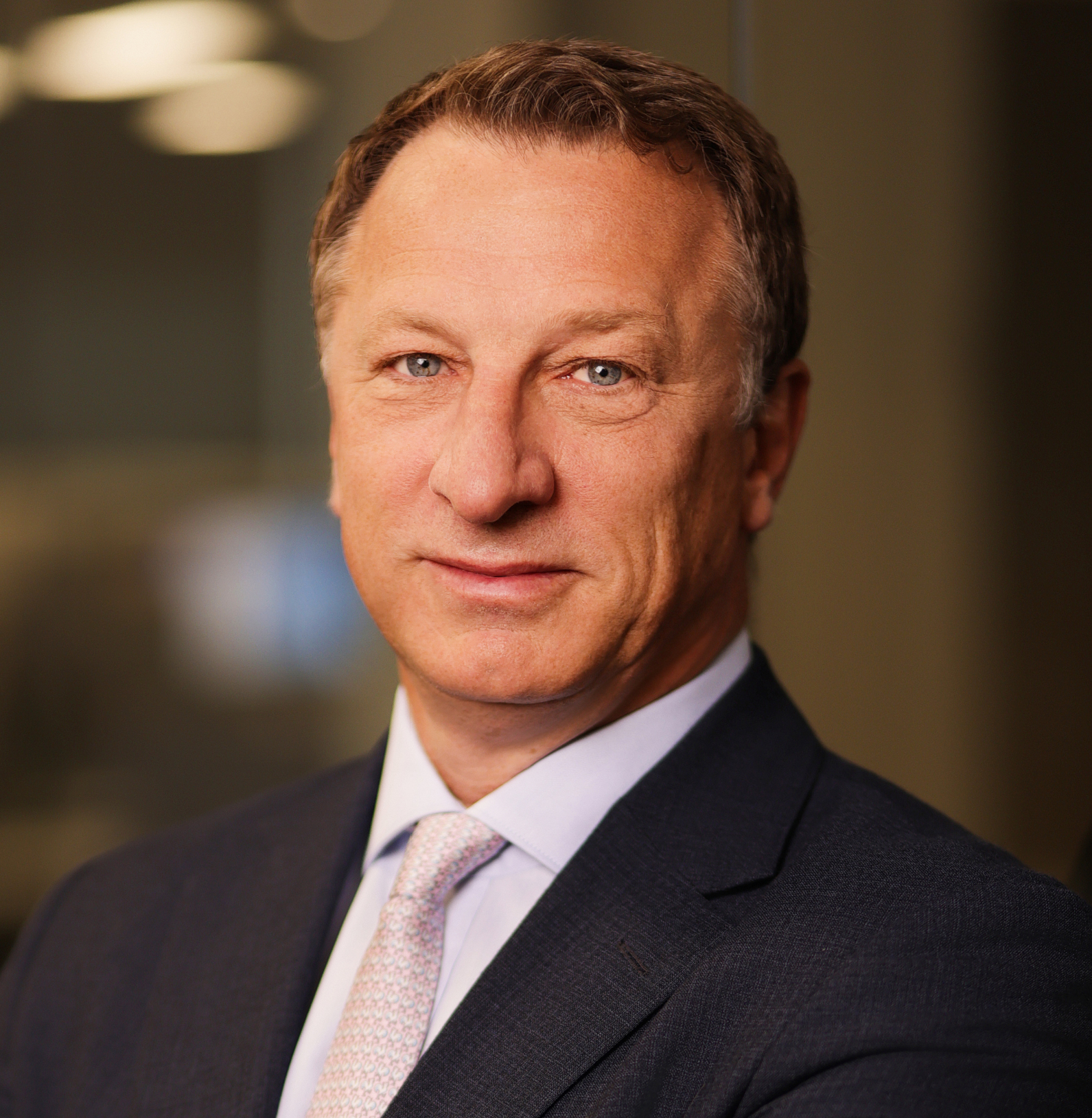

Matt Latimore is President of M Group (M Resources Pty Ltd) a company he founded in 2011 to focus on marketing, investment and trading of metallurgical coal and other steelmaking raw materials.
Matt is a Non-Executive Director of Stanmore Resources, and GM3 (which owns Illawarra Coal Holdings).
Prior to establishing M Resources, Matt held various positions initially with Mitsui & Co Coal Department.
He then joined Wesfarmers Curragh Coal as General Manager Sales and Marketing, responsible for global sales to steel mills and power utilities, rail, port facility and finance functions. He was also a Director of Curragh Coal Sales.
Matt has a Bachelor of International Business from Griffith University, and an MBA from the Australian Graduate School of Management. He is a graduate of the Australian Institute of Company Directors (GAICD) and the Columbia University Senior Executive Program in New York. He also holds an Advanced Diploma of Leadership and Management from the University of Western Australia and a Diploma of Export Management from the Australian Institute of Export.
Matt is a motoring enthusiast and an avid bird watcher. He has photographed more than 500 native Australian species.
.png?ext=.png)
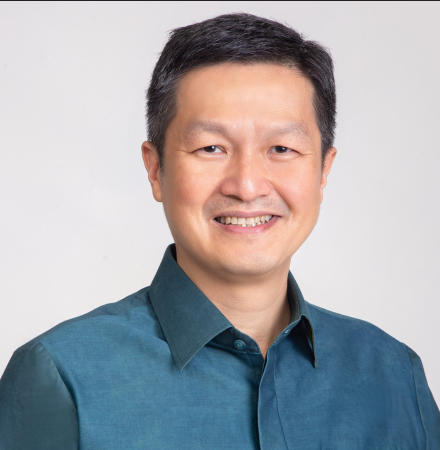
Hendri earned his bachelor’s degree in mechanical engineering from Trisakti University, Indonesia, in year 1996 and his master’s in management from Tarumanegara University, Indonesia, in year 2002. He has more than two decades of professional experience, mostly from his senior positions in sales and marketing. Before joining Adaro in 2014, he built his career at Banpu Group and Baramulti Group. His current positions also include Director of PT Adaro Indonesia, Director of PT Adaro Minerals Indonesia Tbk., and Commissioner of PT Pari Coal
.jpg?ext=.jpg)
Min Li is a senior research analyst with over eighteen years of experience in the international coal mining industry. She joined Wood Mackenzie in 2016 and is currently based in Singapore with responsibility for Asia Pacific metallurgical coal and global coke market research.
Prior to joining Wood Mackenzie, Min worked with Peabody in business development and investment analysis for ten years.
Min also has over several years of experience in sales and marketing in FedEx.
Min Li is a CFA Level III candidate with an MBA from the University of Missouri in St. Louis.
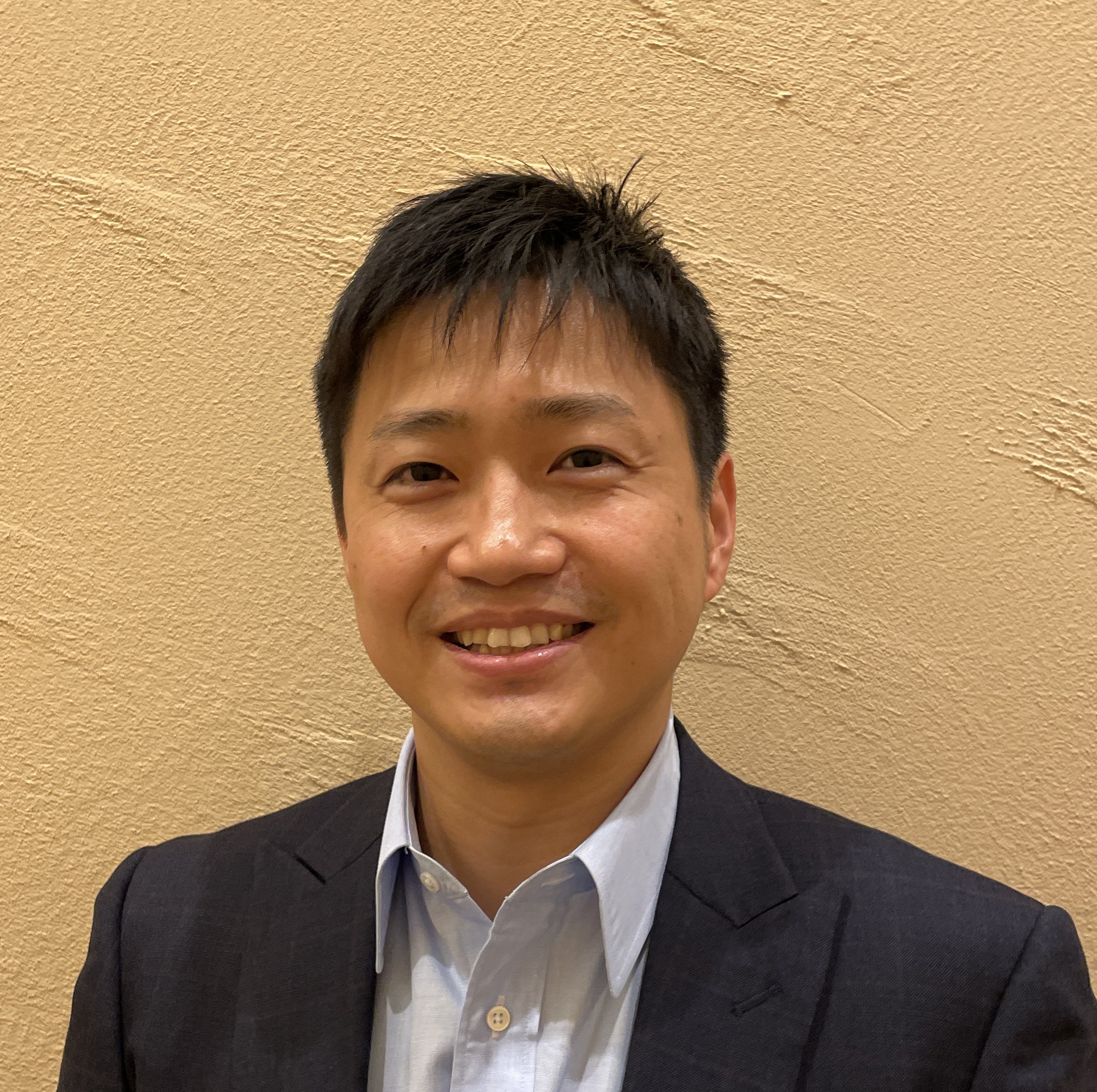
Yuya Kawai is a senior researcher at the Steel Research Laboratory of JFE Steel Corporation. He received his master’s degree in Chemistry from the University of Tsukuba in 2015. He has been engaged in research and development related to the cokemaking process. His research interests include coke quality control through advanced coal blending and the effective utilization of carbon resources such as biomass to reduce CO2 emissions from fossil fuels. He is also a member of the research group of The Iron and Steel Institute of Japan, “Cokemaking Technology for Environmental Enhancement toward Next Generation.”
.png?ext=.png)
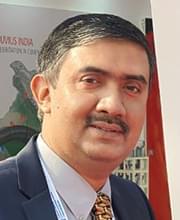
Pushpa Ambrose holds a B.Tech in Chemical Engineering, an MBA in Finance, and a PG
Diploma in Industrial Safety and Fire Safety. Currently serving as the General Manager Safety at the new Steel Melting Shop-3 of Bhilai Steel Plant, a part of Steel Authority of India Limited (SAIL). With expertise in managing thermal and hydraulic regimes of 7m tall Coke Oven Batteries, she has also led the construction and rebuilding of battery complexes. Pushpa's strategies have ensured 100% safety in gas line network maintenance through introducing U seals and in steel melting shops through innovative approaches. Recognized with numerous awards including the National Young Women Trainer Award, IIM’s MECON Award, Best paper award in 77th Annual Technical Meeting of The Indian Institute of Metals and International Conference on Metals, and Best Safety Officer Award at BSP 2023, her contributions extend to numerous paper presentation on coke making improvements, decarbonisation strategies, and steel safety. As a distinguished faculty, Pushpa imparts knowledge on management, technical,
and safety topics at BSP.
Mr. Dipankar Banerjee is heading the coke business unit of Fosbel in India along with new business development responsibilities for cement & non-ferrous markets. He is a Ceramic Engineer with more than 30 years of professional experience in leading refractory & ceramic companies (Saint Gobain, ACC Refractories, Vesuvius & now Fosbel) in P&L management, technical sales & marketing, business development, product management & refractory application technology in Iron & Steel, Non-Ferrous, Power Generation, Cement & Ceramics market segments.
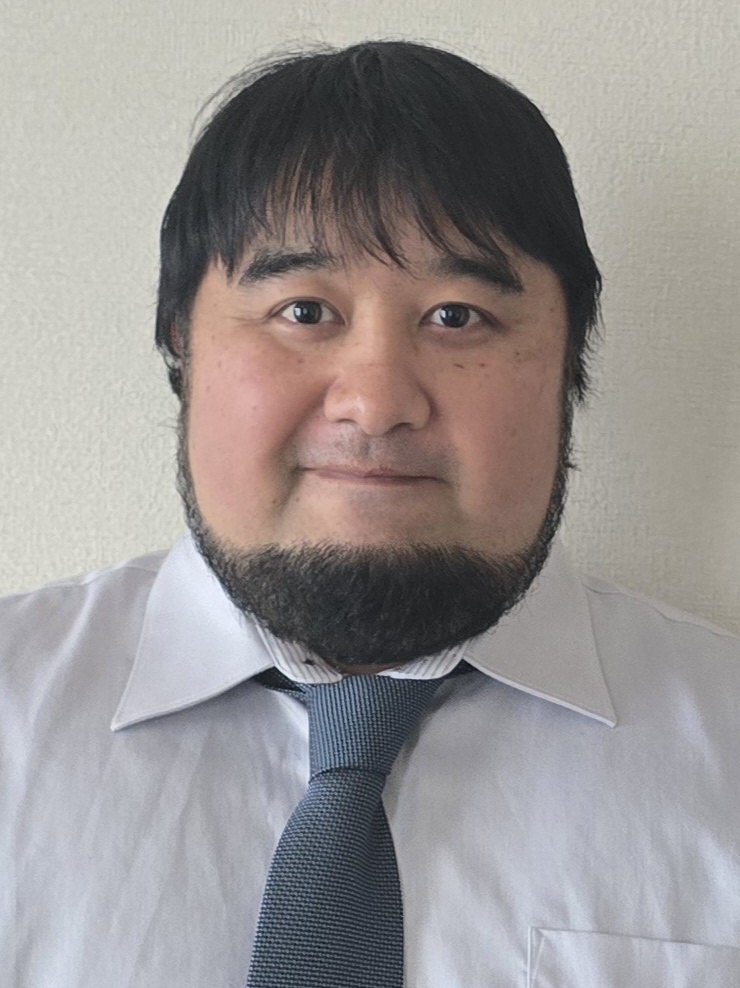

Toshio Suzuki graduated from the National University of Samoa in the Independent State of Samoa with a Bachelor of Commerce in 2009 and served as the National head coach and Technical director of the Judo Association of Samoa (JAS) until 2013. He then served as a Consul at the Japanese Embassy in Samoa for five years, and then moved to Japan in 2018 and served at Honda Motor Co., Ltd. for five years, where he devoted himself to facilitating communication between engineers at bases in Japan and engineers at bases around the world. In 2023, he supported the construction of the coke oven battery in Japan by acting as an intermediary between a Japanese customer and German Supervisors from thyssenkrupp Uhde GmbH. He has been appointed by thyssenkrupp Uhde Japan in April 2025 as their Coke Plant Sales representative for Japanese and South Asian market. He holds a 3rd Dan black belt in judo.
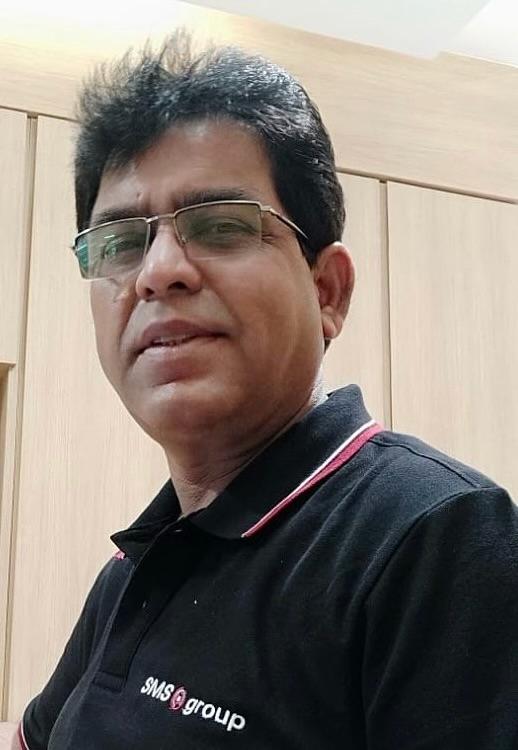

“A Graduate Chemical Engineer from IIT(BHU)-Varanasi, carrying 32 years of rich experience in Coke making, Coal Chemicals and allied processes. Prior to joining SMS group, he has worked in operation, maintenance & projects of recovery/heat-recovery Coke Ovens & By products units of Indian integrated Steel Plants of SAIL& JSW.”
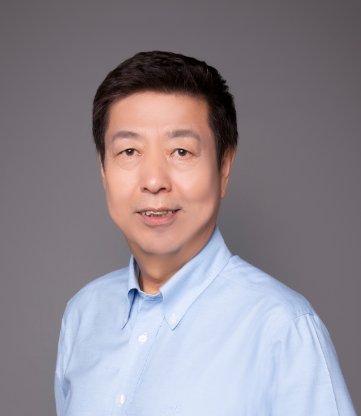

Mr. Chang Yijun is the founder and chief expert of Fenwei. He established Fenwei in 1999, dedicating to integrating industry data, achievements, case studies, and methodologies to develop a series of big data-driven industrial application tools. These tools have helped China's coal and coking industries and their extended enterprises achieve rapid development.
Sxcoal, founded and operated by Fenwei, has been the most popular global portal for China's coal and coking industry since its inception, boasting 170,000 registered members worldwide. Fenwei has established numerous industry-leading information systems—including its exclusive CCI Index and database—and has successfully developed intelligent management systems highly reputed across the entire coal-coking-steel industry chain. These include the All-Factors Intelligent Coal Blending System, the Coal and Coking Production Management and Control System, and the Intelligent Coal Washing Management System.
Prior to founding Fenwei, Mr. Chang Yijun held positions as Deputy General Manager and Coking Plant Director at Shanxi Jinmei Industrial Development Company, and served as Section Chief and Engineer at the Shanxi Coal Industry Department.
_1.png?ext=.png)

Banmeet leads CRU’s Metallurgical Coal and Coke research, and is the editor of the Metallurgical coal market outlook, providing market intelligence on current market trends and delivering a fundamentals driven perspective on the medium and long term steel and raw materials markets.
Banmeet has 12+ year cross commodity experience in the metals & mining, Oil & gas and energy sectors. Prior to CRU, Banmeet was Coal markets specialist for Anglo American Marketing Singapore and Wood Mackenzie. Banmeet has also covered Oil & gas markets for Woodside Petroleum and AGL Energy in Australia. Banmeet has cross functional experience working in a range of roles for research houses and producers in economics, commercial and marketing divisions.
Banmeet holds a bachelors degree in Actuarial studies from the Australian National University and is based in Sydney.

Ng Jing Zhi joined Argus Media in 2022 and is currently a deputy editor for the Asia ferrous scrap and coal markets. Jing Zhi has over ten years of experience in market analytics and price reporting, specializing in the ferrous sector and oil markets. Found in 1970, Argus Media is the leading independent provider of market intelligence to the global energy and commodity markets.
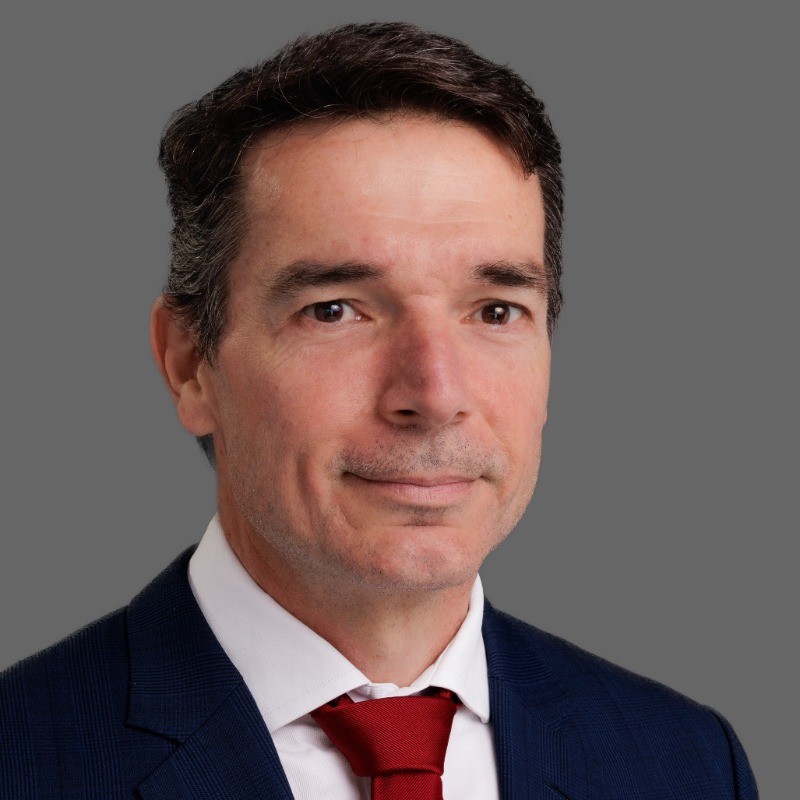

Pembroke Olive Downs is the newest, large scale coking coal producer from Australia. As the GM Marketing & Logistics, Chris is the link between the mine site and its coking coal customers from around the globe. With production commencing in 2024, Pembroke Olive Downs is now establishing itself as a high quality and respected coking coal producer.
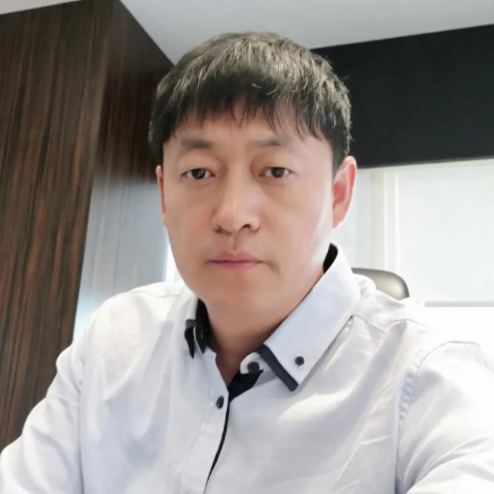
.png?ext=.png)
Experienced over 30years of international dry bulk trade in the fields of met coke/met coal
Professional Background
Act as the head of coking coal procurement of JSL Global Commodities Pte Ltd(www.jslgc.com) from Jan 2023 till now.
Act as the General Procurement Manager of Metallurgical Coke Desk of Avani Resource Pte Ltd(www.avani.sg) from Dec 2013 till 2022.
Before join Avani Resources, have been worked In South Korea and China ShanXi Minmetals, act as the chief looking after import/export met coke from China and other countries in the world for about 20 years.
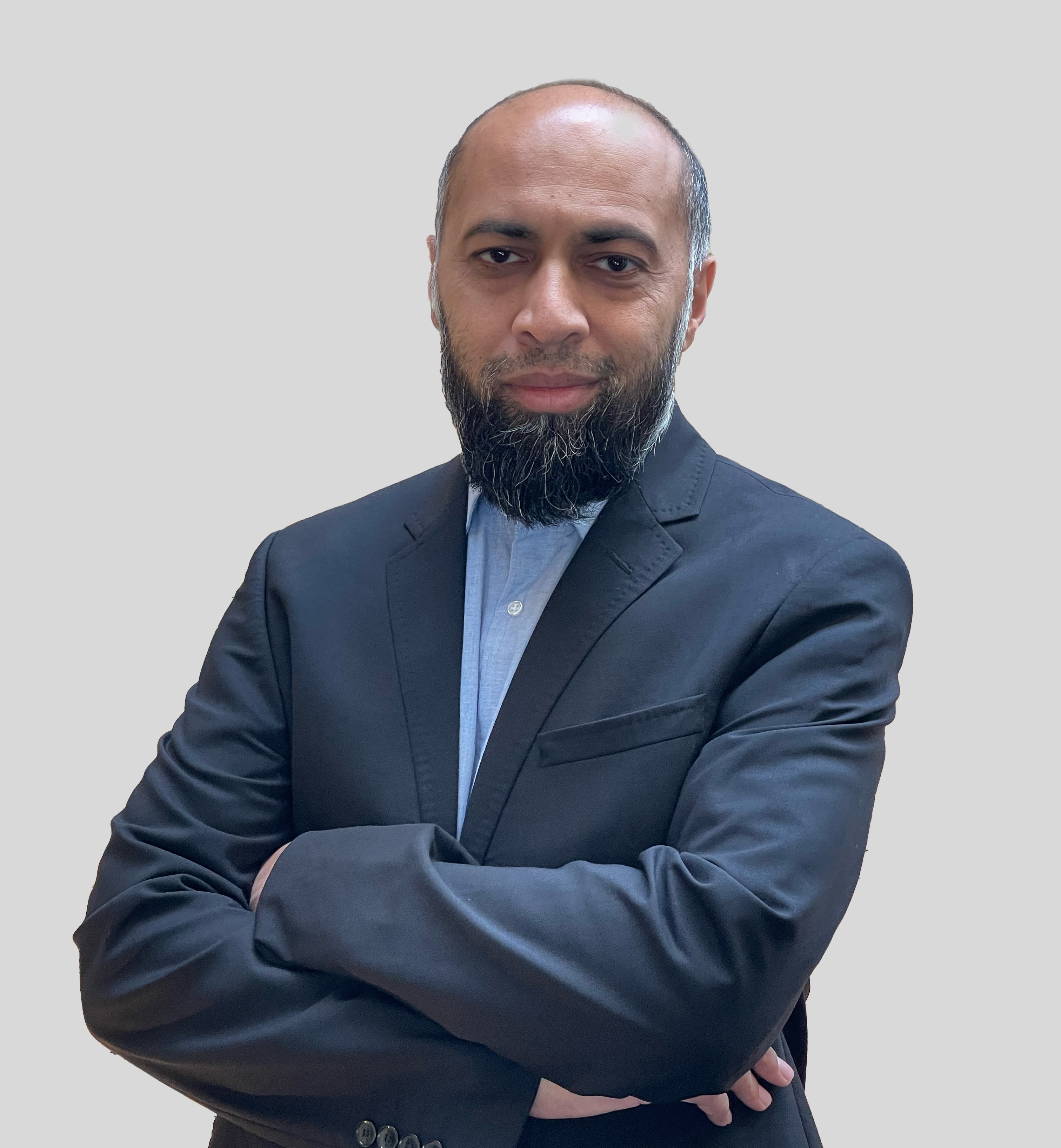

Muhammad Alli is the Managing Director at Unicoal Trading and Africa Resource Holdings.
He has over 16 years’ experience in accounting, financial management, logistics, mining and commodities trading. Muhammad has actively engaged with global markets while working in trading. This hands-on approach provided him with a comprehensive understanding of the opportunities and risks involved, enhancing his ability to navigate the global market and commodity cycles. His qualifications include an Accounting Sciences degree and a Post Graduate Diploma in Accounting, among others.
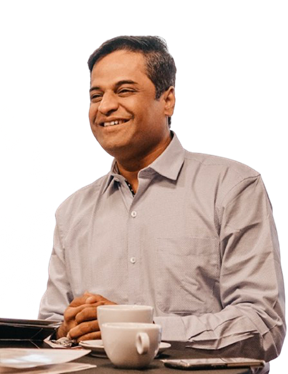
.png?ext=.png)
Mr. Vasudev Pamnani is an Entrepreneur and currently owns & manages multiple organizations. Currently He is a Director at iEnergy Natural Resources Limited, a Coal trading company base in Gujarat. Based in Gujarat, he is developing and expanding the coal business of the company’s footprints in the western & Northern part of India. Additionally, Mr. Pamnani holds the esteemed positions of Founder and Director at Lavi Coal Info (OPC) Pvt. Limited and Westeagle Overseas Private Limited.
Mr. Pamnani has made significant contributions to the Indian coal industry, playing a pivotal role in various key initiatives. Notable among his accomplishments is his substantial involvement in the team that pioneered the development of the US coal market in India. He has played a crucial role in the establishment and growth of the Anthracite market on the west coast of India.
He has been recognized as a distinguished speaker at prestigious conferences such as the Baiinfo conference in China, SMM conference in Indonesia, the Coaltrans Conference in India, Indonesia & China, SXCoal Conference in China & Indonesia and many more.
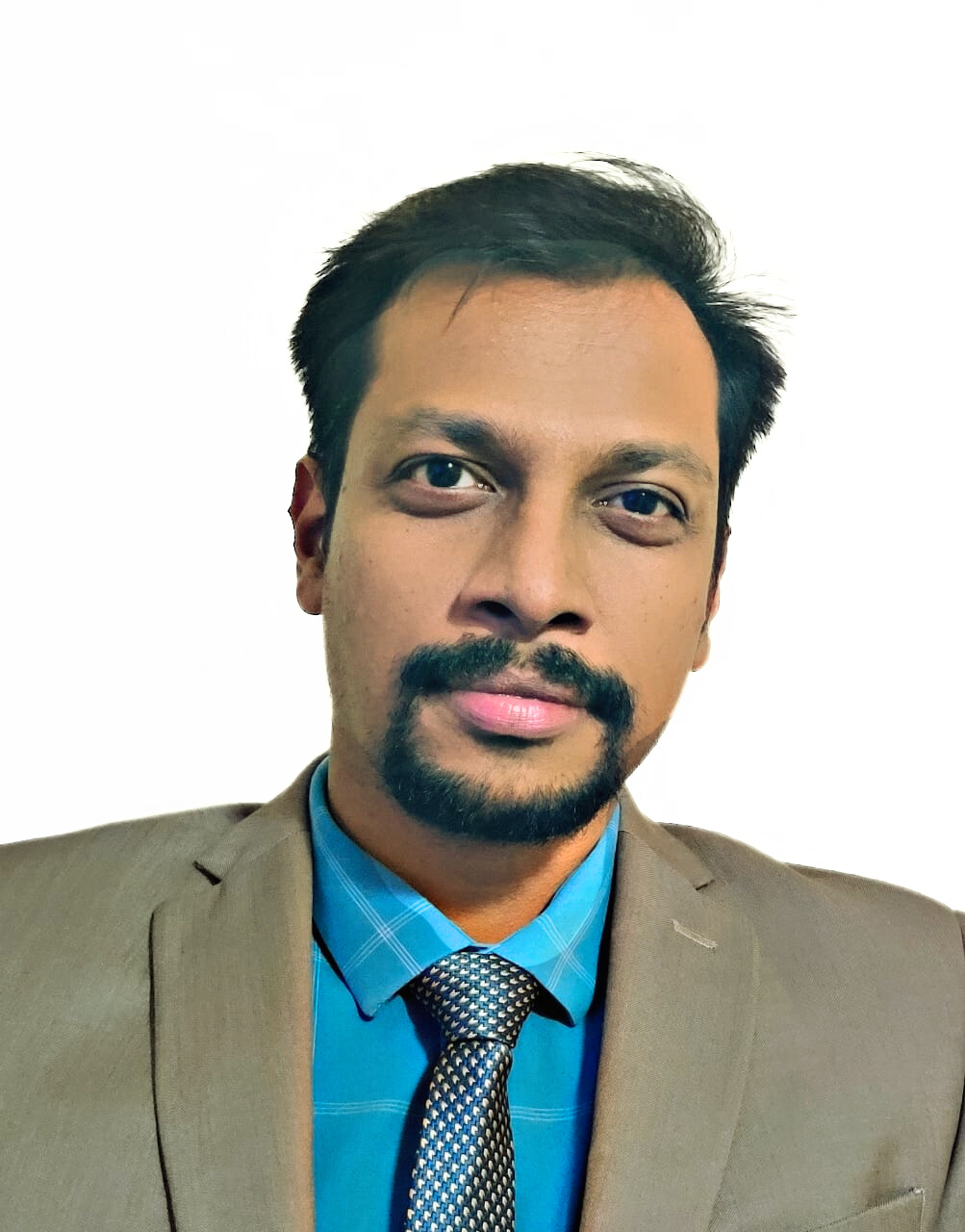
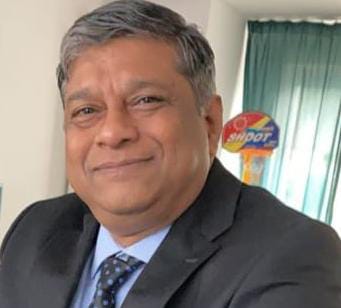
Bhavaneeth Krishna received his Bachelor’s degree in Mechanical Engineering from the University of Calicut, India, in 2013. He joined the Steel Authority of India Limited (SAIL)—one of India’s largest steel producers—in 2014. He was actively involved in the installation and commissioning of advanced water treatment and recycling systems for major production units, including the Universal Rail Mill (URM), Bar & Rod Mill (BRM), and Steel Melting Shop–3 (SMS-3) at SAIL’s Bhilai Steel Plant.
He has over 11 years of professional experience in industrial water management, with a specialized focus on water treatment, recycling, and sustainable water-use practices in the steel industry. He is currently serving as Senior Manager in Steel Melting Shop–3 at the Bhilai Steel Plant.
In addition to his operational responsibilities, Mr. Krishna is a recognized faculty member within SAIL and contributes to capacity-building initiatives by delivering lectures and training programs on management practices, technical systems, and industrial safety.
Started Career at SAIL, Bhilai steel plant in the year 1988 and acquired Science graduation in Mathematics and Post graduate diplomas. Worked in India’s first 7-meter-tall (Russian designed) recovery oven, and was instrumental for project, commissioning and successful operation for 20 years. Then switched over to Jindal Stainless steel Orissa, 4.5-meter-tall Chinese recovery type coke projects in 2007 and later worked in various capacity and fields of indigenous waste -recovery coke ovens. Visited many coke plants in India and China, several technical papers were published and presented in national and international forums. Bagged ‘Vishwakarma ‘National award (Govt. of India 2005) & Prestigious Apex awards 2006; won gold medal at INSSAN 2006, and recipient of JSW Innovation Award 2016. Participated EURO COKE conference at Dusseldorf Germany 2018 and Amsterdam 2021, Bangkok Thailand university in 2019 as Speaker. Served in Jindal saw (JSAW) 2021 as Head coke oven, Sr. Manager (Operation) in JSW ,Salem and General Manager (Coke Ovens) at Bhatia Coke & Energy, Chennai An overall 35 years of glorious experience in captive and merchant coke ovens.
.jpg?ext=.jpg)
G.S.Venkata Subramanian has 37years of experience in Recovery type Coke Ovens
• Secured B.Tech(Metallurgy) from Karnataka Regional Engineering College, Surathkal, India
• Joined Bhilai Steel plant in May 1982
• Became Head of the Department (General Manager) and Energy Management Department
• Superannuated in May 2019
• Implemented e-log systems and Web based Delay Analysis, coordinated numerous modifications in Coal, Coke plants
• Championed the cause for initiating and purchasing high valued items
• Initiated 5-S based housekeeping in Coke Plant for improving work ambience and compliance to environmental norms
• Secured
‘Jawahar Award’ twice for outstanding performance in 1999 and 2016 ‘Engineering Achievement Award’ from The Institution of Engineers (INDIA) in 2013
‘APEX’ Award in 2009 for improving Coke Handling Logistics
• Presented 20 technical papers on Coke Technology, Environment Control
Initiated HRD activities and Quality Circle movement
Occasional Faculty Member for Research and Development Centre for Iron&Steel and Management Training Institute SAIL